
Clergy abuse attorneys in New Jersey specialize in complex cases of sexual misconduct and emotional abuse within religious institutions. They guide survivors through legal options, document evidence, and advocate for their rights against abusive clergymen or organizations. These attorneys navigate unique legal frameworks, counter defenses, and ensure justice for victims while fostering transparency to prevent future abuses.
In the sensitive realm of addressing historical and ongoing clergy abuse, New Jersey state has faced significant challenges in ensuring justice for victims. The impact of such abuse extends far beyond the immediate trauma, affecting the spiritual and psychological well-being of individuals for years to come. Recognizing this complex issue requires specialized expertise, which is where experienced clergy abuse attorneys in New Jersey play a pivotal role. These legal professionals are equipped to navigate intricate laws and institutional structures, providing a vital service by holding accountable those responsible and offering much-needed support to survivors. This article delves into the crucial work performed by these attorneys, shedding light on their expertise and their indispensable contribution to healing and justice in New Jersey.
Understanding Clergy Abuse: Navigating Legal Options in New Jersey

Clergy abuse is a complex issue that requires sensitive handling and legal expertise. In New Jersey, individuals who have experienced abuse within religious institutions often face unique challenges when considering their legal options. Understanding the dynamics of clergy abuse and navigating the appropriate legal channels are crucial steps in seeking justice and healing.
A clergy abuse attorney in New Jersey plays a vital role in assisting survivors by providing specialized knowledge and guidance. These attorneys are well-versed in the state’s laws pertaining to sexual misconduct, child protection, and institutional accountability. They help clients understand their rights, especially when dealing with sensitive matters within religious organizations. One of the key aspects is recognizing that clergy abuse can involve various forms, including sexual assault, emotional manipulation, and exploitation of vulnerable individuals, often minors. This wide range of potential abuses necessitates a nuanced legal approach.
Practical steps for survivors include documenting all interactions with the abuser, any relevant evidence, and recording detailed accounts of the incidents. A clergy abuse attorney can then assist in presenting this information to authorities, as well as guide clients through civil litigation options. New Jersey’s laws allow for individuals to pursue legal action against abusive clergymen or organizations that failed to protect them. While these cases can be challenging due to potential religious sensitivities and institutional power structures, experienced attorneys are equipped to advocate for their clients’ rights, ensuring they receive the support and justice they deserve.
The Role of Clergy Abuse Attorneys: Protecting Victims' Rights
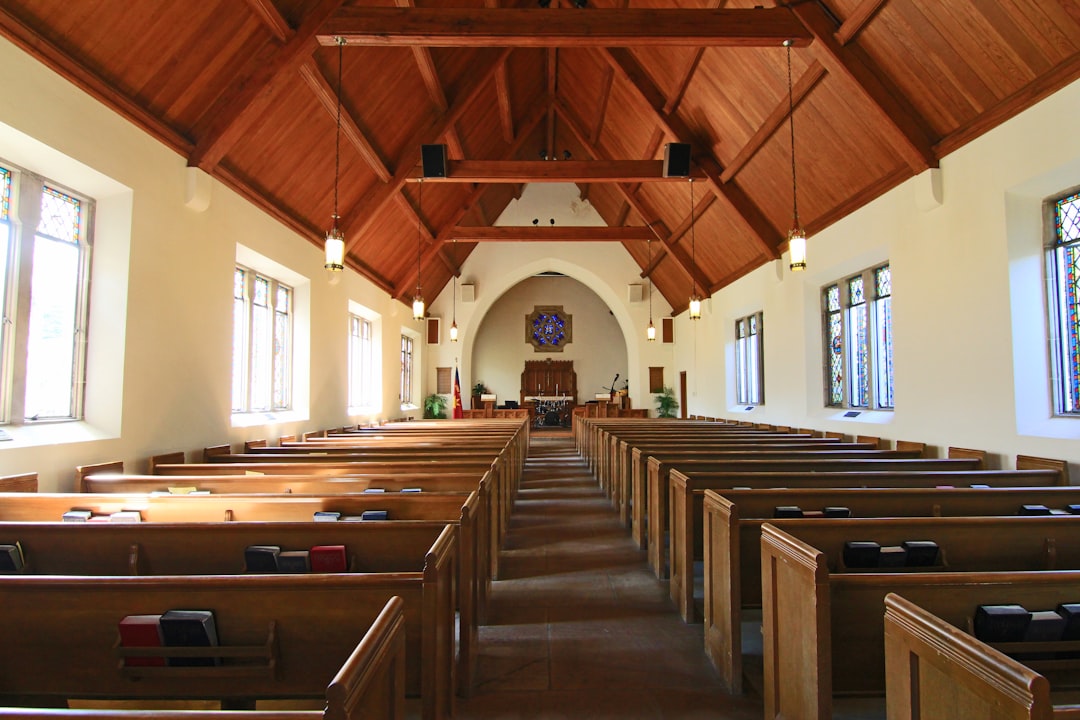
In New Jersey, clergy abuse attorneys play a pivotal role in safeguarding victims’ rights and ensuring justice within the religious community. These specialized legal professionals are equipped to handle complex cases involving sexual misconduct, emotional abuse, or any form of exploitation committed by spiritual leaders. Given the sensitive nature of such matters, a clergy abuse attorney New Jersey residents trust can provide vital support, guidance, and legal representation. They understand the unique challenges faced by victims, many of whom may have endured trauma and feel trapped within their religious affiliations.
The expertise of these attorneys lies in navigating the intricate legal landscape surrounding clergy-related abuses. They are well-versed in state laws, church regulations, and the specific procedural requirements for filing civil lawsuits or reporting criminal charges. For instance, a clergy abuse attorney New Jersey might assist victims in pursuing compensation through personal injury claims or help them disconnect from harmful religious practices by facilitating safe transitions and providing support services. Data suggests that only a fraction of victims come forward due to fear of retaliation, social stigma, and the perceived power dynamics between abusers and their congregations. Here, these attorneys step in as advocates, empowering victims to break free from silence and seek the justice they deserve.
Moreover, clergy abuse attorneys contribute significantly to raising awareness and preventing future abuses. They collaborate with local law enforcement, community organizations, and religious institutions to establish reporting mechanisms and conduct training sessions on recognizing and addressing suspicious behaviors. By fostering a culture of transparency and accountability, these professionals play a proactive role in protecting vulnerable individuals within religious communities. For victims seeking justice and healing, having an experienced clergy abuse attorney New Jersey offers can make all the difference in ensuring their rights are protected and their stories are heard.
Building a Case: Strategies for Effective Legal Representation in NJ

Building a strong case is paramount when seeking justice for clergy abuse victims in New Jersey. Experienced clergy abuse attorneys in this state understand the intricate legal landscape surrounding these sensitive matters, allowing them to employ strategic approaches that maximize outcomes for clients. A successful case strategy involves several key components: meticulous documentation, understanding of religious institutions’ unique legal frameworks, and a deep knowledge of applicable laws.
Attorneys must gather comprehensive evidence, including medical records, witness statements, and any available institutional documents, to establish the abuse and its impact. New Jersey’s clergy abuse laws often involve complex issues of privacy, confidentiality, and the sensitive nature of religious organizations. Attorneys navigate these challenges by familiarizing themselves with state statutes, such as those regarding sexual harassment, assault, and abuse within religious contexts. For instance, a clergy abuse attorney in NJ may leverage the state’s anti-discrimination laws to hold institutions accountable for failing to protect vulnerable individuals.
Effective representation also entails strategizing around potential defenses, which can vary widely in these cases. Attorneys must be prepared to counter arguments related to institutional immunity, statute of limitations issues, or even claims of consent, especially when dealing with complex relationships within religious communities. Building a robust case requires careful planning, thorough research, and a deep understanding of both the law and the specific circumstances surrounding each client’s unique experience.