
Clergy abuse attorneys New Jersey are vital for victims seeking justice against religious leaders. They specialize in state laws related to sexual misconduct, emotional abuse, and financial exploitation within institutions. Key steps include documenting evidence, filing police reports, and filing lawsuits. Choosing an attorney with expertise, a strong track record, and networks of experts is crucial. Survivors should actively engage with their attorneys and document interactions. Support networks and community education reduce recurrences. Reputable firms specializing in clergy abuse cases collaborate with advocacy groups for comprehensive healing and accountability.
The issue of clergy abuse has profound implications for communities across New Jersey, necessitating a focused and sensitive approach to justice and healing. Many survivors struggle with the emotional and psychological scars left by abusers within religious institutions. In such situations, seeking professional legal help from experienced clergy abuse attorneys in New Jersey is crucial. Our article provides an in-depth exploration of this critical matter, guiding readers through the complexities of seeking redress and offering valuable insights into the role of legal experts specialized in this field. We aim to empower survivors and foster a better understanding of their rights.
Understanding Clergy Abuse: Recognizing Patterns in New Jersey

In New Jersey, clergy abuse is a complex issue with profound implications for victims and communities alike. Understanding this phenomenon involves recognizing patterns and behaviors often characteristic of such cases. The first step in addressing clergy abuse effectively is to identify its various forms—including emotional manipulation, financial exploitation, and sexual misconduct—and the tactics abusers may employ. According to recent studies, approximately 1 in 4 people who attended religious services have reported experiencing some form of abuse or misconduct by clergy members. This statistic underscores the pervasive nature of the problem and necessitates a proactive response.
Clergy abuse attorneys in New Jersey play a crucial role in navigating these complex cases. They work closely with victims to provide legal counsel, ensuring their rights are protected and their voices heard. Recognizing patterns is vital for both victims and legal professionals. For instance, abusers may target vulnerable individuals within the congregation, exploit positions of power, or use guilt and fear as tools to maintain control. Clergy abuse attorneys help victims break free from these cycles by offering strategic guidance, supporting civil lawsuits, and advocating for criminal prosecutions when warranted.
Practical insights for both victims and concerned members of the public are essential. Keeping records of interactions with suspected abusers and documenting any unusual behavior can serve as crucial evidence. Additionally, fostering open dialogue within religious communities encourages individuals to come forward and seek help. In New Jersey, there have been successful legal outcomes resulting from collective action, where multiple victims united to hold institutions accountable. This collaborative approach not only facilitates justice but also sends a powerful message of support to current and future survivors.
The Role of Clergy Abuse Attorneys in NJ: Legal Rights and Advocacy

In New Jersey, clergy abuse attorneys play a pivotal role in safeguarding individuals who have suffered at the hands of religious leaders. These legal professionals are equipped with the knowledge and expertise to navigate complex issues surrounding sexual misconduct, emotional abuse, and financial exploitation within institutional settings. With an understanding of both state laws and religious doctrines, they provide crucial support to victims seeking justice and healing. Clergy abuse attorneys in New Jersey have successfully pursued cases against churches, religious organizations, and individual clergy members, ensuring accountability and compensating survivors for their trauma.
The unique challenges faced by victims of clergy abuse necessitate the expertise of these specialized attorneys. They guide clients through intricate legal processes, offering strategic advice tailored to the specific circumstances of each case. This includes gathering evidence, interviewing witnesses, and negotiating settlements or pursuing litigation in civil court. Moreover, they advocate for policy changes and increased oversight within religious institutions to prevent future abuse. By combining legal acumen with empathy, clergy abuse attorneys New Jersey foster a culture of transparency and accountability, empowering survivors to take back their power and find closure.
A study by the National Center for Victims of Crime highlights the significance of specialized legal representation in such cases, showing that victims who work with experienced attorneys are more likely to receive fair compensation and experience positive outcomes. In New Jersey, several law firms have dedicated clergy abuse practices, staffed by attorneys committed to this important cause. Victims are encouraged to reach out and consult with these specialists, who can provide an initial assessment and discuss potential legal options without any obligation. This proactive step is a vital first step toward justice and recovery for those affected by clergy abuse.
Navigating Legal Processes: Step-by-Step Guide for Victims in NJ

Navigating Legal Processes: A Step-by-Step Guide for Victims of Clergy Abuse in New Jersey
For victims of clergy abuse in New Jersey, seeking professional legal help is a crucial step towards justice and healing. This process can be complex and overwhelming, especially considering the sensitive nature of the issue. The first step is to find competent and empathetic clergy abuse attorneys in New Jersey who have extensive experience handling such cases. These lawyers should possess deep knowledge of state laws pertaining to sexual misconduct within religious institutions. They will help victims understand their rights and guide them through the legal system.
Victims are advised to begin by gathering all relevant documents, including any evidence or records related to the abuse. This may include medical records, therapy notes, or any correspondence with the church or clergy member involved. Next, it is essential to file a police report if the abuse resulted in a criminal offense. In New Jersey, statutes of limitation vary for different types of abuse, so prompt action is crucial. Clergy abuse attorneys can assist with this process and ensure that legal options are preserved.
Once law enforcement has been involved, victims should continue building a strong case by documenting their experiences thoroughly. This includes maintaining detailed records of any communications with church authorities or legal representatives. When ready, clergy abuse attorneys in New Jersey will file the appropriate lawsuits, whether against the religious institution, individual clergy members, or both. They will represent the victim throughout negotiations, mediations, and trials, advocating for compensation and accountability.
It’s important to remember that seeking professional legal help is not a sign of weakness but rather an essential step in ensuring justice and holding perpetrators accountable. Clergy abuse attorneys in New Jersey play a vital role in empowering victims to take control of their healing journey while navigating the complexities of the legal system effectively.
Choosing the Right Clergy Abuse Lawyer: Key Considerations in New Jersey

Choosing the right clergy abuse lawyer in New Jersey is a critical step for victims seeking justice and closure. With complex legal nuances surrounding clerical abuse cases, it’s crucial to find an attorney with profound knowledge of state laws and specific regulations related to religious institutions. In New Jersey, where freedom of religion is enshrined in the constitution, understanding these legal frameworks is essential to building a strong case. One must look for clergy abuse attorneys who specialize in this area, possessing extensive experience navigating the unique challenges these cases present.
Victims should consider lawyers with a proven track record of successfully representing clients in similar situations. This includes handling matters involving sexual misconduct by religious leaders, child abuse within faith-based communities, and breaches of fiduciary duty. For instance, a review of recent case law in New Jersey reveals several high-profile settlements against clergy members, highlighting the growing awareness and sensitivity towards such issues. The right lawyer will not only have a deep understanding of these cases but also be adept at handling sensitive information with discretion and empathy.
Moreover, effective clergy abuse attorneys in New Jersey should possess strong investigative skills and a network of experts who can provide crucial evidence and testimonies. This includes mental health professionals who can assess and document the psychological impact on victims, as well as forensic investigators who can uncover relevant documents or digital evidence. Such comprehensive support is vital to building a compelling case and ensuring a victim’s rights are protected throughout the legal process. Victims should actively engage in this process, asking potential lawyers about their approach, past successes, and dedication to advocating for those harmed by clergy abuse.
Support and Resources: Healing and Justice for Survivors in NJ
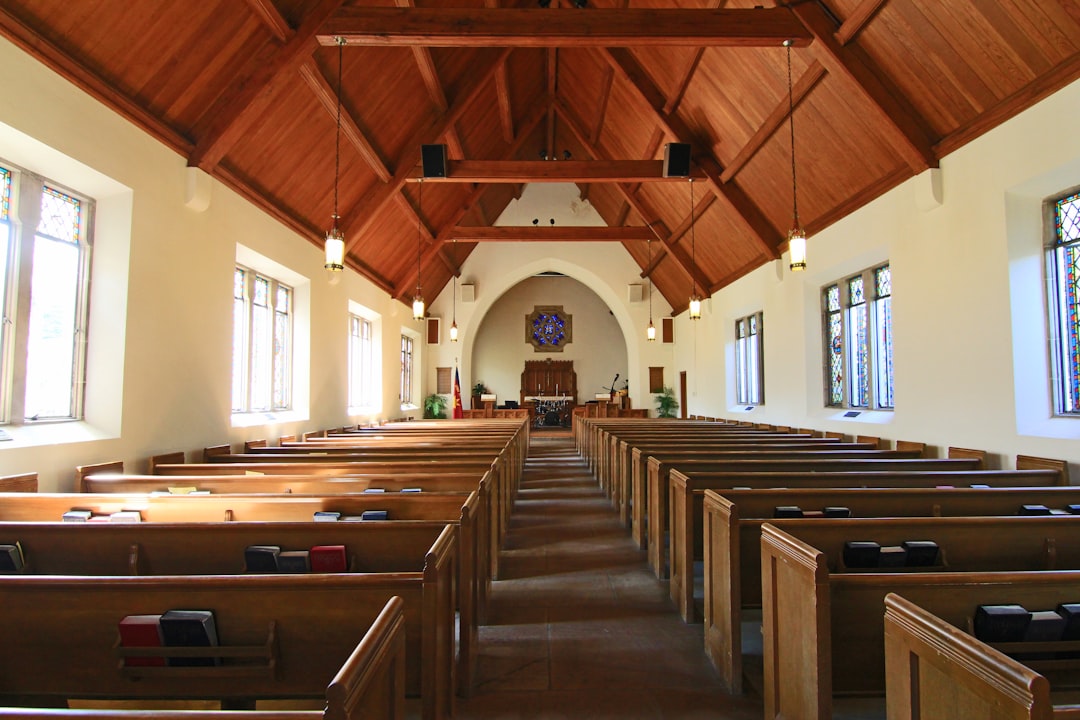
In New Jersey, survivors of clergy abuse face complex challenges on their path to healing and justice. This is where professional legal help becomes indispensable. Clergy abuse attorneys in New Jersey specialize in navigating the unique dynamics of these cases, offering tailored support and resources. They empower survivors to understand their rights, take legal action against perpetrators, and seek closure.
One of the primary roles of these clergy abuse attorneys is to provide emotional support during what can be an extremely traumatic process. They connect survivors with specialized therapists and support groups, ensuring comprehensive care for both current and long-term mental health needs. Furthermore, they assist in organizing community education programs to raise awareness about clergy abuse, thereby fostering a safer environment. Data from local support organizations indicates that such initiatives significantly reduce recurrences.
Practical insights for survivors include documenting every interaction with the abuser and keeping records of any evidence, no matter how seemingly insignificant. Clergy abuse attorneys can help interpret these details, which may be crucial in legal proceedings. Many survivors also find solace in joining support networks where they can share experiences and learn from one another. For instance, local support groups have facilitated successful lawsuits against institutions that turned a blind eye to the abuse, leading to substantial settlements and increased accountability.
Actionable advice for both survivors and concerned individuals is to seek out reputable legal firms specializing in clergy abuse cases. These firms often collaborate with advocacy groups, ensuring a coordinated effort toward justice and healing. By engaging experienced clergy abuse attorneys in New Jersey, survivors can navigate the legal system with confidence, knowing they have allies dedicated to upholding their rights and seeking redress for past wrongs.